
- Home
-
India Insights and Market vault

A Mumbai native reflects on how the city's local trains turn daily commutes into lasting friendships - and why the journey becomes part of home.
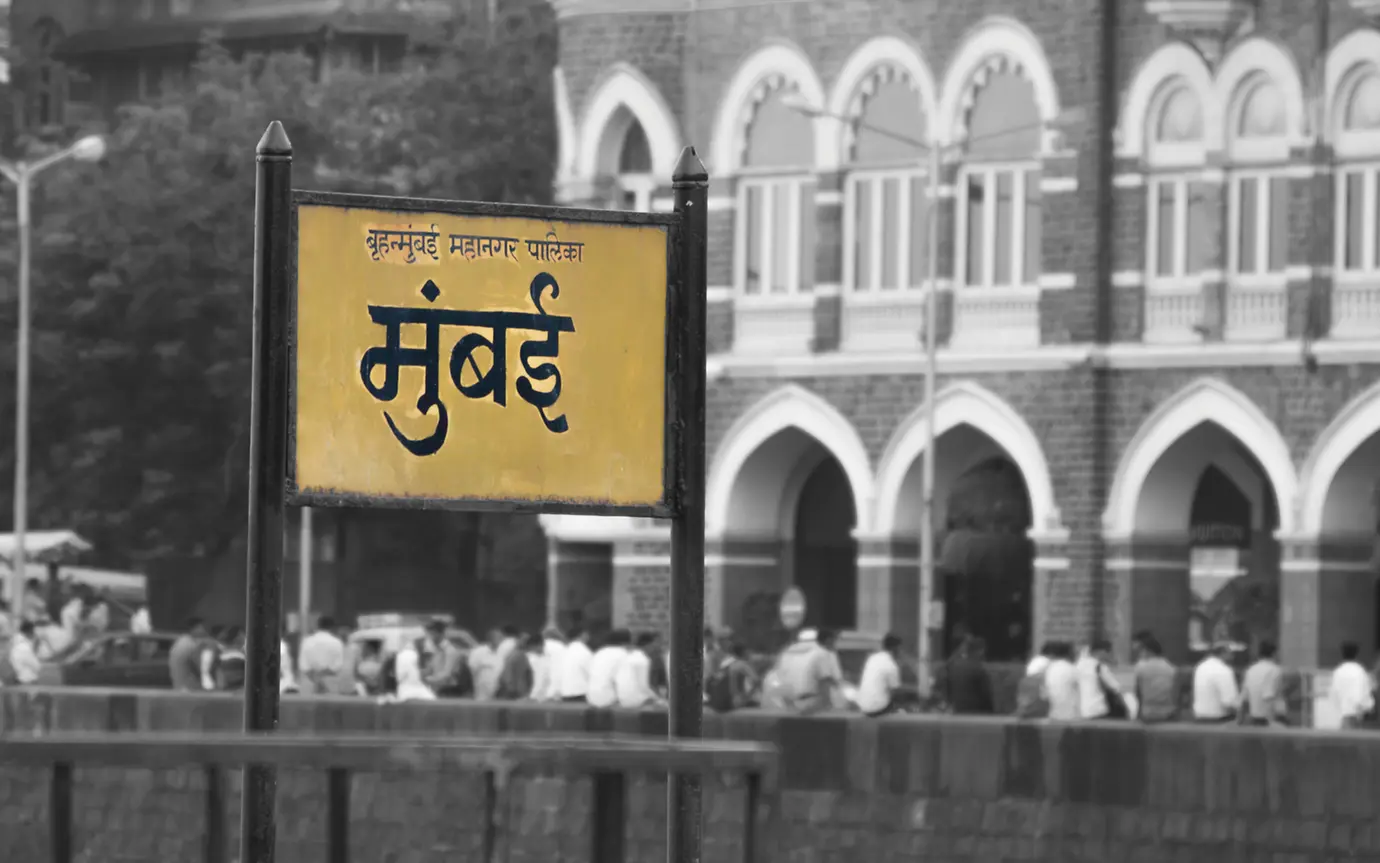
Mumbai rarely waits for you.
I learnt this early, although not quite early enough to save myself from boarding the wrong train on my first day of college.
That morning, I reached the station with all the nervous energy of a new student. I was thinking about whether I would find my classroom, what my classmates would be like and whether I would fit in. In the middle of all this, I boarded a train without realising it was a fast train.
In Mumbai, that is not a minor detail.
The train sped past the station where I was supposed to get off. I watched the platform disappear while trying to understand where I was going. Eventually, I got down at the next stop, crossed over and travelled a couple of stations back.
I reached college flustered and slightly embarrassed, with my first practical lesson in how Mumbai worked: before the city takes you where you want to go, it may first teach you how to find your way back.
Shubham Nemani is Associate Vice President and Products Head for the International Business at LGT Wealth India. Born and raised in Mumbai, he has experienced the city through its local trains, cricket celebrations, festival processions, late-night food stops and constantly evolving skyline. He believes Mumbai's defining quality is not simply its speed or ambition, but its ability to create connection in the midst of movement.
In the years that followed, the local train - the so-called Mumbai Local – became such a natural part of my routine that it was difficult to imagine my day without it. My morning came to revolve around the 8:16 am Local from Goregaon. I knew when to leave home, which station entrance to use, where to stand and approximately where the compartment would stop.
I would often run to catch it. Not a dramatic sprint, but the familiar Mumbai half-run perfected by commuters everywhere, quick enough to make the train but controlled enough not to lose your bag, newspaper or dignity along the way.
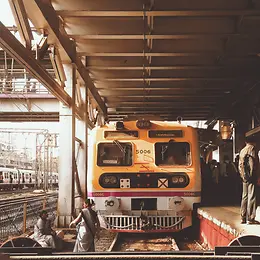
At first, the people inside the compartment were simply fellow passengers. We recognised one another without really knowing one another. There was the person who boarded before me, the one who always sat by the window, the one who prepared to get off two stations in advance, and the one who could fall asleep within minutes despite all the movement and noise.
Gradually, recognition became conversation, and conversation became friendship.
After a while, even the seats seemed to belong to particular people. Nobody had formally assigned them, and there was certainly no reservation chart, but everyone knew where everyone else normally sat. The arrangement had been negotiated silently over hundreds of journeys. If someone was absent, another member of the group might hold the place for a few minutes, expecting him to appear breathlessly at the next station.
There were rituals too. Different people had predetermined days on which they would bring snacks for the group, and a missed turn would be noticed immediately. Food passed from hand to hand across the compartment, often divided with impressive precision.
The most meaningful moments, however, were the unplanned ones.
If someone’s child did well in an examination, sweets would circulate through the group. If there was a promotion, birthday, wedding or new addition to the family, the news would be shared during the journey, followed soon by something sweet. We learnt about each other’s families without necessarily having met them. A child’s result, a parent’s health or an upcoming celebration became part of the compartment’s collective conversation.
These friendships were not built through long weekends or carefully planned dinners. They developed in fragments of twenty or thirty minutes, repeated every day.
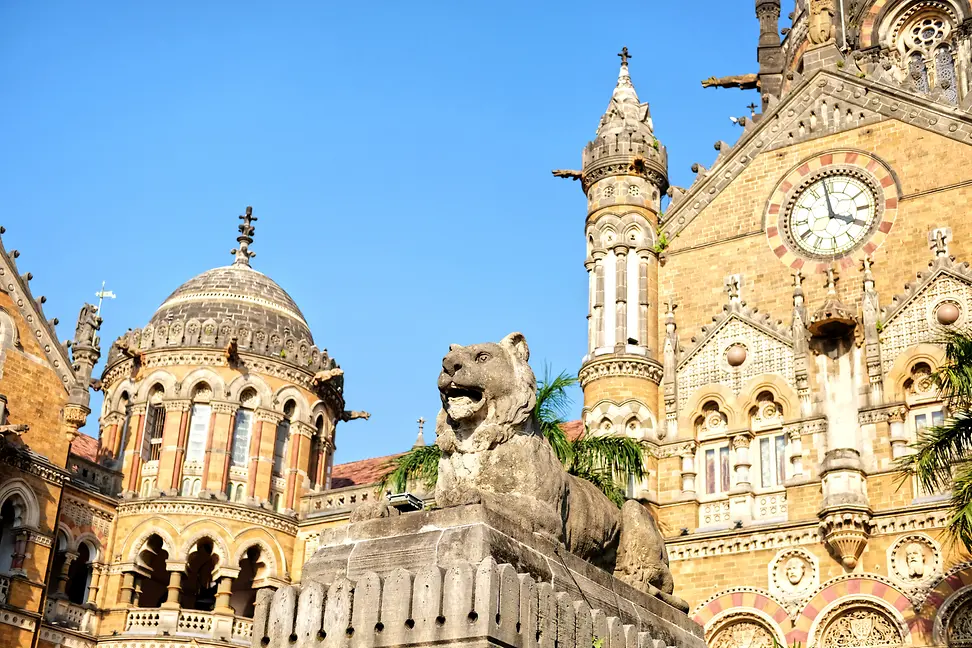
That is what makes the Mumbai Local more than a mode of transport. It occupies the space between the two most clearly defined parts of our lives: home and work, or home and college. It is neither entirely private nor entirely professional. It is what people sometimes call a “third space”, although that phrase can feel too formal for something so instinctive.
For us, the train was a social network before social networks governed so much of our lives. It was a daily ritual, a travelling living room and, occasionally, a refuge. The city outside might have been rushing, and another demanding day might have been waiting at the destination, but inside that familiar compartment there was time for a conversation, a joke, some advice or simply the reassurance of seeing the same faces again.
Mumbai is often described through its speed. We celebrate the fact that it keeps moving, that people arrive with very little and build new lives, and that ambition is embedded in its character. Yet the local train taught me that the city’s real strength is not simply movement. It is the relationships created while we are moving.
People who might otherwise have had little reason to meet shared the same space each morning. They came from different professions, neighbourhoods and backgrounds. Outside the train, their daily realities could be very different. Inside it, they were part of the same group, affected by the same delay and invested in the same race for a seat.
That sense of proximity does not mean Mumbai’s difficulties should be romanticised. The commute can be tiring, the crowds overwhelming and the infrastructure constantly tested. Yet, within those realities, people create forms of care that are easy to overlook.
Someone reaches out to pull a stranger safely into a compartment. A regular passenger sends a message to say the train is unusually crowded. A place is made for an elderly traveller. Directions are offered before they are requested, perhaps because every experienced commuter remembers a first day when the difference between a fast and slow train was not yet obvious.
I certainly do.
Over time, the railway map becomes a map of your own life. Particular stations become connected to schools and colleges, first jobs, old friendships, favourite food stalls and different versions of yourself.
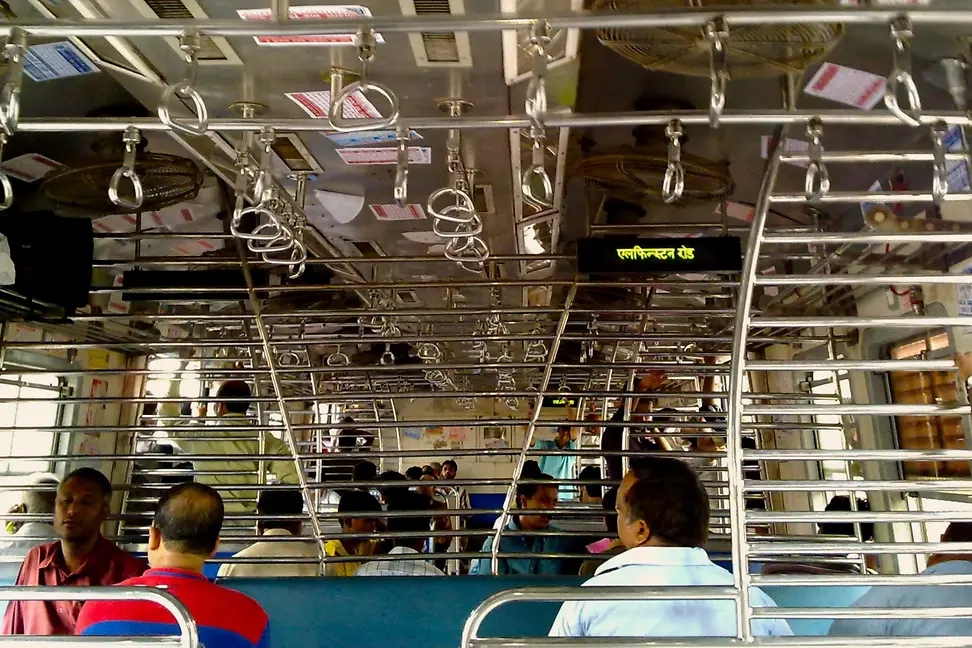
The train also occupies such an emotional place in Mumbai. It witnesses both the exceptional and the ordinary. It carries people home after World Cup victories, but also after difficult days when there is nothing to celebrate. It absorbs our tiredness, excitement, uncertainty and relief, asking no questions about which version of ourselves enters the compartment.
Mumbai can be overwhelming because so much life is compressed into so little space. Yet that compression also creates unexpected intimacy.
You begin by seeing the same person every morning. One day, someone smiles. Another day, a conversation starts. Without noticing exactly when it happened, a crowd becomes a community.
The friendships from my 8:16 am Local have outlasted the routine that created them. Our journeys changed, as journeys eventually do. People moved homes, changed jobs or began travelling at different times. The seats that once seemed permanently assigned found new occupants.
But the relationships remained.
When I think about Mumbai today, I do not first think of its skyline or landmarks. I think of being a nervous college student on the wrong train. I think of vada pav after class, sweets being passed around a compartment and a station full of people singing after India won the World Cup. I think of how many parts of my life unfolded while travelling from one place to another.
Mumbai rarely waits for you. The doors open, the crowd moves and the train departs.
But somewhere between the station you leave and the station where you get off, the city offers something unexpected: a seat someone saves for you, a story shared by a stranger, a friendship built one morning at a time.
And before you realise it, the journey you once considered a commute has become a part of home.