- Home
-
India Insights and Market vault

From a banyan tree in front of Bombay's town hall to one of the world's fastest trading platforms, the 150-year journey of the Bombay Stock Exchange shows how India's equity markets have institutionalised trust at scale - and why that matters to anyone allocating long-term capital.

History can be fascinating, especially when the subject is the oldest stock exchange not just in India, but in Asia. Bombay Stock Exchange (BSE), which celebrated its 150th anniversary in 2025, is a remarkable example of India's ambition, resilience, and ability to evolve with changing times.
It all started in the 1850s, when a wave of speculative enthusiasm swept through Mumbai, then known as Bombay. Among those caught up in this financial fervour was a "devout Jain of fair complexion, with a sweet temper". He was barely 34 years old but had a sharp financial head on his shoulders.
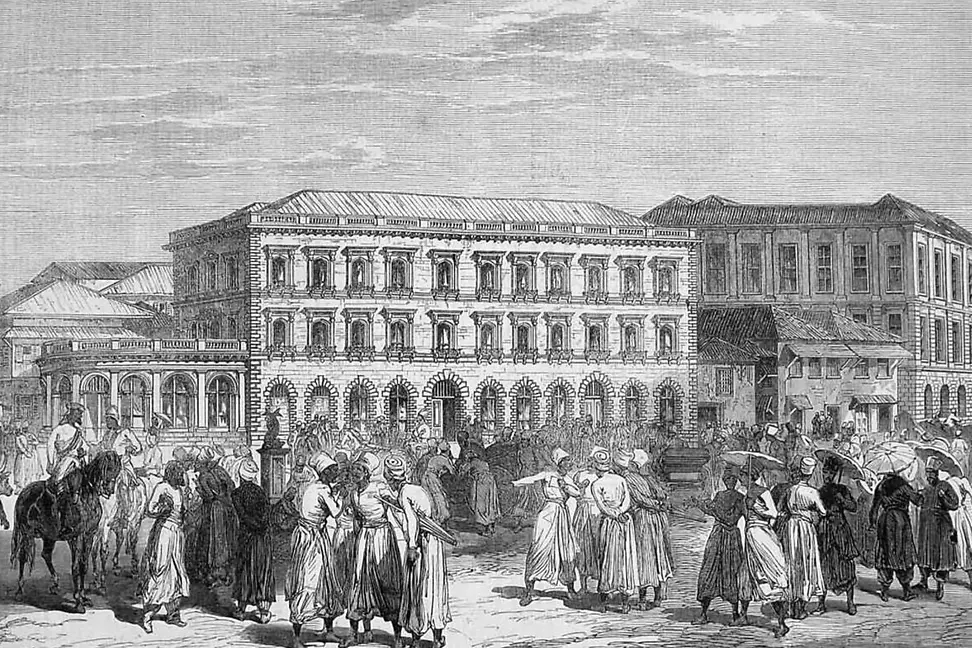
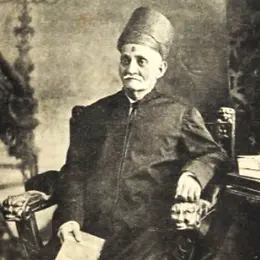
This was Premchand Roychand, who would become the driving force behind the establishment of BSE. Starting as a stockbroker at just 16 years old, by the 1860s Roychand had become one of Bombay's largest and most successful brokers, trading shares at various locations around the city.
It was a good time to be in business. The East India Company had lost control over the country after the mutiny of 1857, and the British Crown was in direct control. As a result, the flow of capital into India was now freed from the Company Raj.
When the American Civil War broke out in 1861, it blocked supplies of cotton to Britain, so the British began to buy their cotton from India. The sudden rise in incoming wealth led to a surge of trading in the shares of newly formed companies, and Roychand was among the first to pick up the trend. He began investing heavily in stocks.
When the American Civil War ended in 1865, the speculative fervour that had gripped Bombay also subsided, and Roychand lost his fortune. Yet the brief boom that he and a handful of fellow traders had experienced laid the groundwork for stockbrokers to emerge as a formidable force in India's financial landscape.
Over the next few years, Roychand was joined by a group of brokers who met under a banyan tree in front of Bombay's town hall to trade stocks. In a bid to formalise their activities, they set up the Native Share and Stock Brokers' Association in 1875. This marked the official birth of the Bombay Stock Exchange.
In the following years, BSE expanded rapidly, becoming the biggest stock exchange in India with over 700 members by 1928 - at a time when the London Stock Exchange was already well over a century old, and New York's had been trading since 1792. Bombay was still the newcomer, even as it staked its claim as Asia's first. The Second World War brought a real test: a shortage of funds and the closure of the trading floor. The exchange reopened once the disruption passed, and its members kept trading under the same rules that had governed them since the 1870s. What came next wasn't a technological leap - that was still decades away - but a legal one.
The government passed the Securities Contracts (Regulation) Act in 1956, granting BSE official recognition as a regulated exchange - formal standing that Bombay's brokers had been trading without for eighty years.
Fast forward to the 1980s and 1990s, and BSE witnessed uninterrupted growth, largely due to the introduction of new financial instruments and the liberalisation of India's economy. By this time, companies from all over India were listed on the exchange. Then, in 1992, came real competition: the National Stock Exchange (NSE) launched with a modern, screen-based trading model that put pressure on Bombay's open-outcry floor to modernise.
As NSE's electronic platform quickly won traders over, BSE spent the next three years building its response. In 1995, it launched BSE On-Line Trading (BOLT) - a screen-based system that finally retired the open-outcry ring for good.
With the rise of the internet and the proliferation of smartphones, the BSE has evolved along with India's digital transformation, maintaining its position as one of the country's most trusted stock exchanges. High-frequency trading is now standard on its platform, and the exchange is exploring blockchain-based settlement - a shift that, if it lands, could tighten security and cut settlement times further.
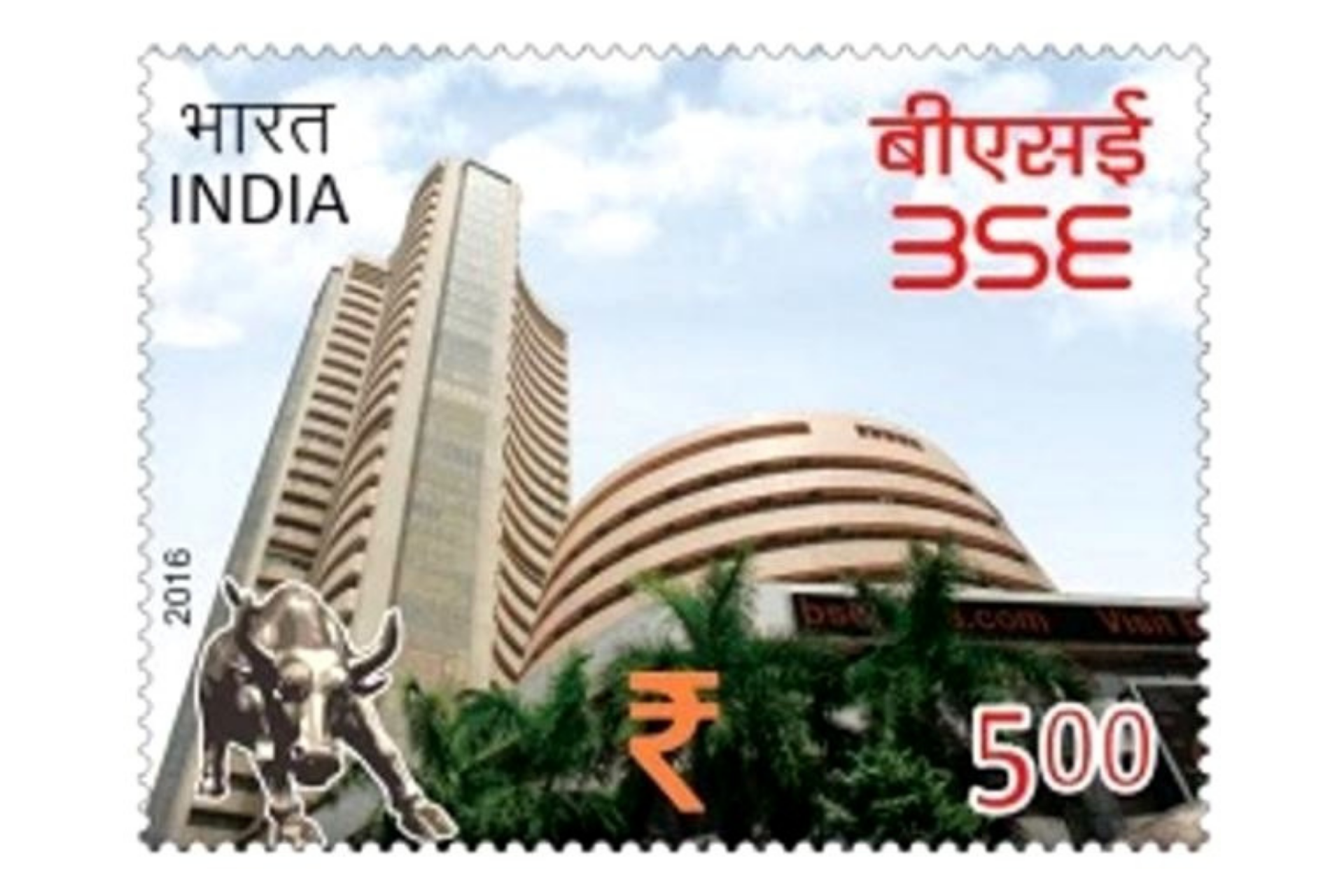
As outlined by the government, BSE currently has sufficient capacity to process over 1500 crore orders every day - up to 14 lakh orders every second - with an average transaction speed of below 200 microseconds. That kind of throughput reflects less the size of the country and more the scale of its retail investing boom, with tens of millions of new investors entering the market in just the last few years. It puts BSE's infrastructure in the same conversation as the world's largest exchanges - a marked shift for a market that was still running an open-outcry floor three decades ago.
Located on Dalal Street in Mumbai, BSE is famous for trading in diverse financial instruments, such as equities, currencies, and derivatives, with over 5300 listed companies; it is one of the largest exchanges in the world by market capitalisation. Its benchmark index, the Sensex, is tracked by economists and global asset allocators as a proxy for the health of India's economy.
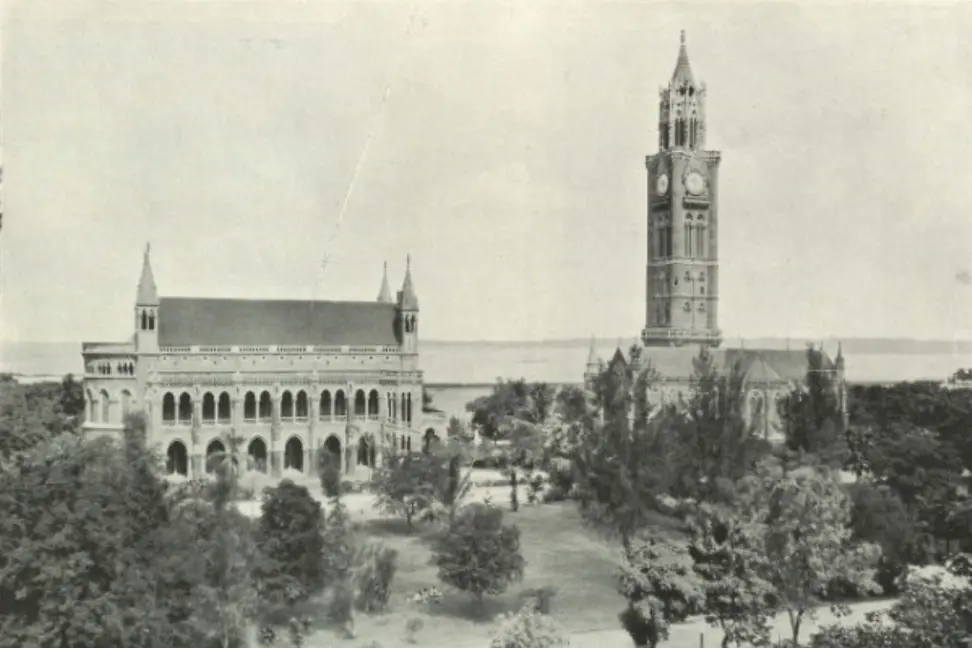
Roychand himself never fully rebuilt the fortune he lost in 1865. But in the years that followed, he put what remained of it into Bombay's civic life - funding the Rajabai Clock Tower at the University of Bombay and scholarships that still carry his name. It's a fitting echo of the exchange he helped found: what started under a banyan tree as one man's speculation has, 150 years on, become an institution built to outlast any single fortune - its own included.
As India integrates further into global capital flows, investors are increasingly seeking efficient, globally compliant routes to access and structure these opportunities. Discover how you can get there.